The Ones who do not speak
How Growing Up in the West Shaped My Understanding of Greek Culture
Being questioned on my knowledge of Medusa made me question my identity, now I’m questioning the system that educated me and my understanding of my cultural heritage
I’ve been reemerging onto social media in the last year after a fairly lengthy hiatus. So much has changed. I have started following creators interested in ancient Greek history and mythology. Much to my surprise, as I’m reading various works on different platforms, I feel myself starting to get angry.
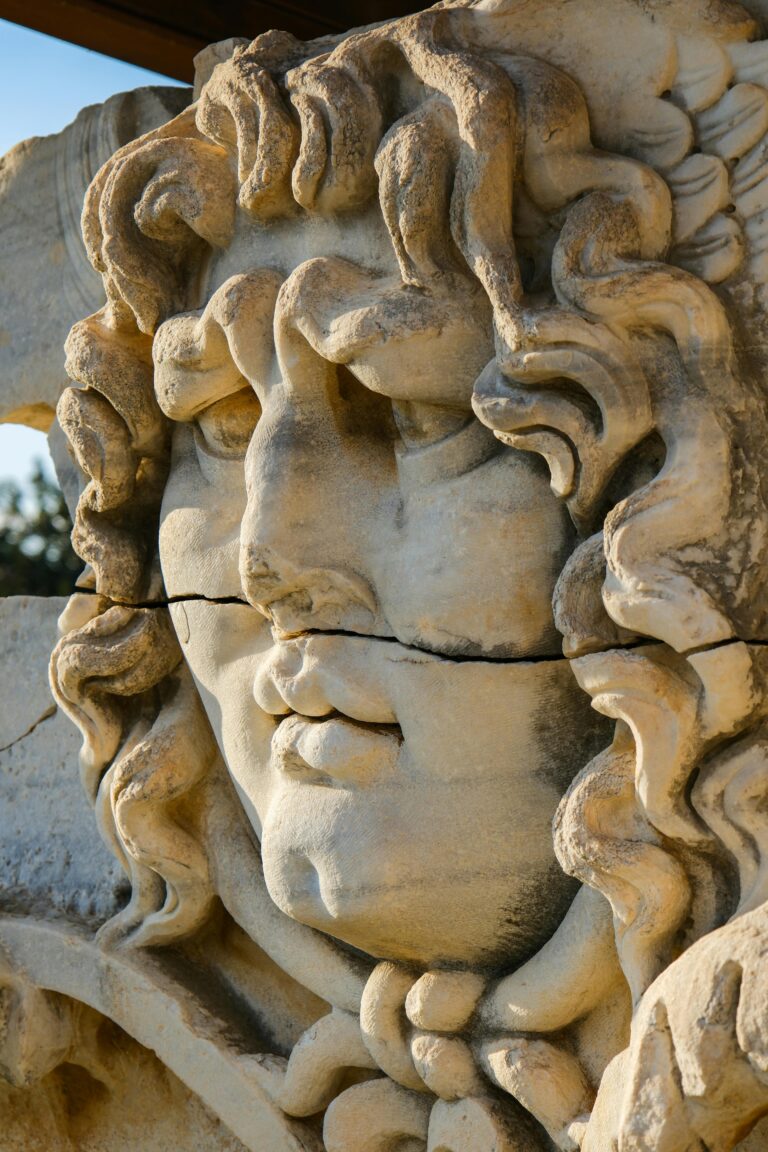
The biggest flag came when I posted something about Medusa, and I had a comment that the myth wasn’t right, and I needed to make sure my information was correct. Was I wrong? I was interpreting a myth that I’ve known since I was a child. I’ve got a Bachelor’s in Classics and have been an educator for over a decade. I check my work. But they didn’t know that. How could they if I wasn’t sharing that information on my platform?
Then I started to notice all this content, all at once about Greeks by non-Greeks and I started to really wonder, who are these people? Feeling discomfort around this was something of a new sensation for me. I used to feel only pride. But it started to feel icky. Turns out, there is a reason why, and it was far more insidious than I had bargained for.
Modern Greeks live in the inherited culture. We speak the language, an unbroken line from antiquity. Knowing how appropriation has caused so much harm, I try to be careful to not speak where it isn’t my place. Up until recently, I even felt like I should not speak about Greekness, because I am only diaspora, and I never felt Greek enough for my opinion to be valid. But, surely my experiences give me some expertise? Non-Greeks create content about my culture as if it is theirs all the time. Why shouldn’t I speak too?
I’m not saying you need to be Greek to enjoy, study, or use our history for your ritual, but I am saying: it’s been 2000 years, referencing a modern Greek source would make sense. We’re not extinct. We know a little something about our own history and heritage. So why do I feel invisible in the Hellenic themed spaces online?
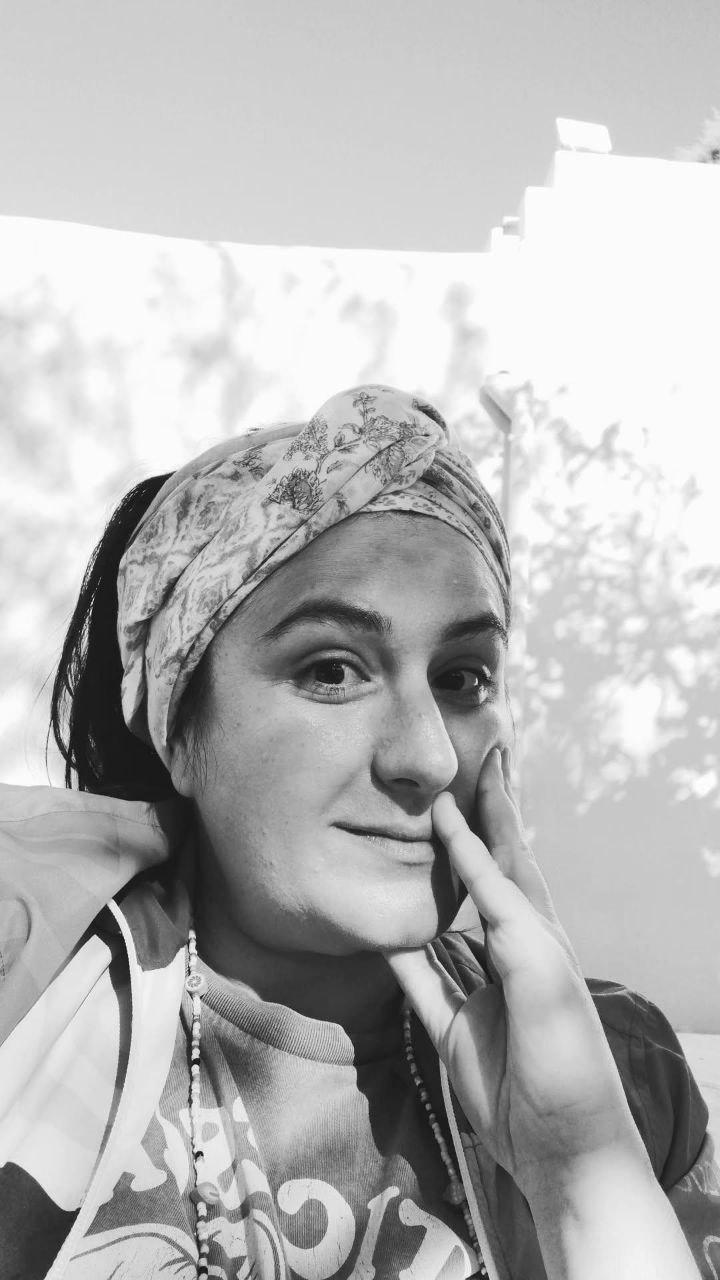
I am starting to write from the voice of a diaspora Greek woman repatriated; as someone who’s lived and studied this culture in two languages and across continents.
As I grieve the heritage stolen by distance, the longing for true knowing, and the context lost in the education between cultures and languages, I invoke those that came before me, to give a voice for what was lost: their knowledge, their stories, and their lived experience.
Grief is a doorway to deeper, embodied connection with the living and ancient history of my people. I walk through this threshold knowing that the more I search, the more meaningful my understanding will become.
Thanks for reading The Liminal Compass. This is the first essay in a series about Diaspora Grief and reclaiming Hellenic heritage. Subscribe for free to receive new posts. To support my work with a paid contribution, click here.