The Liminal Compass
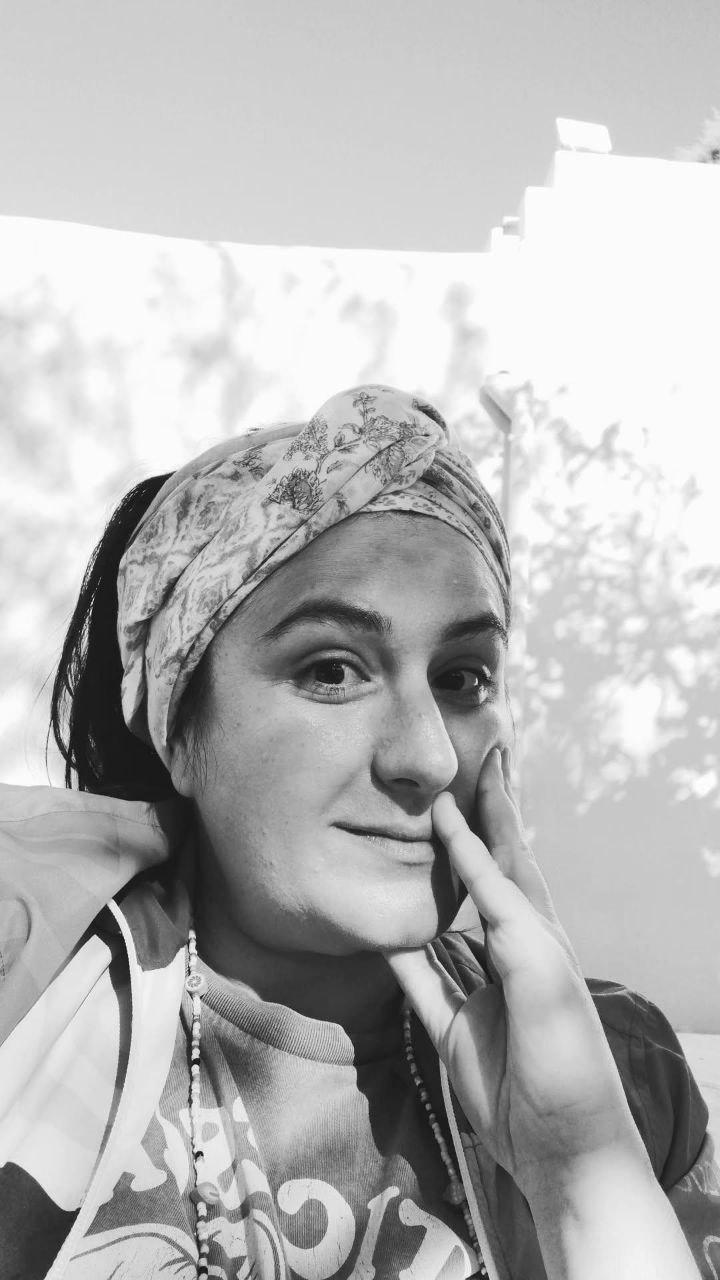
I turned 40, officially. I look back and I see a life well lived. I look at pictures and I see a happy face, contentment. The difficulties aren’t there. The camera, the moments we choose to document, seemingly curated as if we don’t want to remember the hard-won lessons that got us to where we are. And the truth is I know the bad stuff happened, but I can’t feel it anymore. I can sense it in my actions and my reactions, but the worst of it simply isn’t at the forefront any longer.
The last decade was colored by severe invisible illness and chronic pain. Dismissed by doctors, flitting from country to country searching for the optimal climate and the right medical team.
At the most difficult moment, I came to Greece, back to the homeland. The dream so many diaspora have, I got to realize. And in a desperate attempt to find healing, I found myself. I healed in the land of my ancestors, where I became who I am now, and where I found a diagnosis, care, new friends, and re-connection to the people to whom I’ve said I belonged for so long.
I learned that it isn’t like the Greek-American family I grew up in. It has its own rules, its own norms. I found that I could not relate fully to my Greek peers, that somehow my common sociocultural references were often more relatable to those of my British partner than my Greek family and friends.
And yet in that otherness of immigration and repatriation in the last decade, I also found myself. Reconnected to who I am, my diaspora community (and how it functioned), and what truly connects me to my ancestors.
I feel at home here. I do. There are parts of me that long for California, parts that long for travel, for moving again to a new place, because I am diaspora. I am from an in-between space, and as much as I want to assimilate to where I grew up, where my heritage is from, or where I live, I am always from elsewhere. As much as I want to just be normal, nine-to-five and neurotypical, I am not.
I’m still not certain how I survived the trials and tribulations of my 30s. I am not sure where I found the strength to enjoy those years I was bed bound and incapable of functioning. I experienced pain so severe it broke me and changed my understanding of human endurance for suffering. I don’t know how I persevered through endless doctors and unanswered questions. But I did. I fought for the life I get to live now.
I found faith in myself, in family and friends, and in my partner who supported me through the most terrifying years of my life. Through all of it, I learned and loved myself fully and wholly enough to break out of the terror, the trauma and the pain. I found the strength to move forward. Resilience helped me smile, laugh and find joy regardless of how difficult things got.
My name is Maria. And I’m from the in-between. I am liminal because the boxes created by society don’t fit the diasporic, third-culture, neurodiverse, invisible illness reality that I experience.
The Liminal Compass is my reflection on what it’s like to not quite fit. This space is about navigating liminality across culture, health and neurotype.
All things considered, I think I’m doing alright. How about you?